

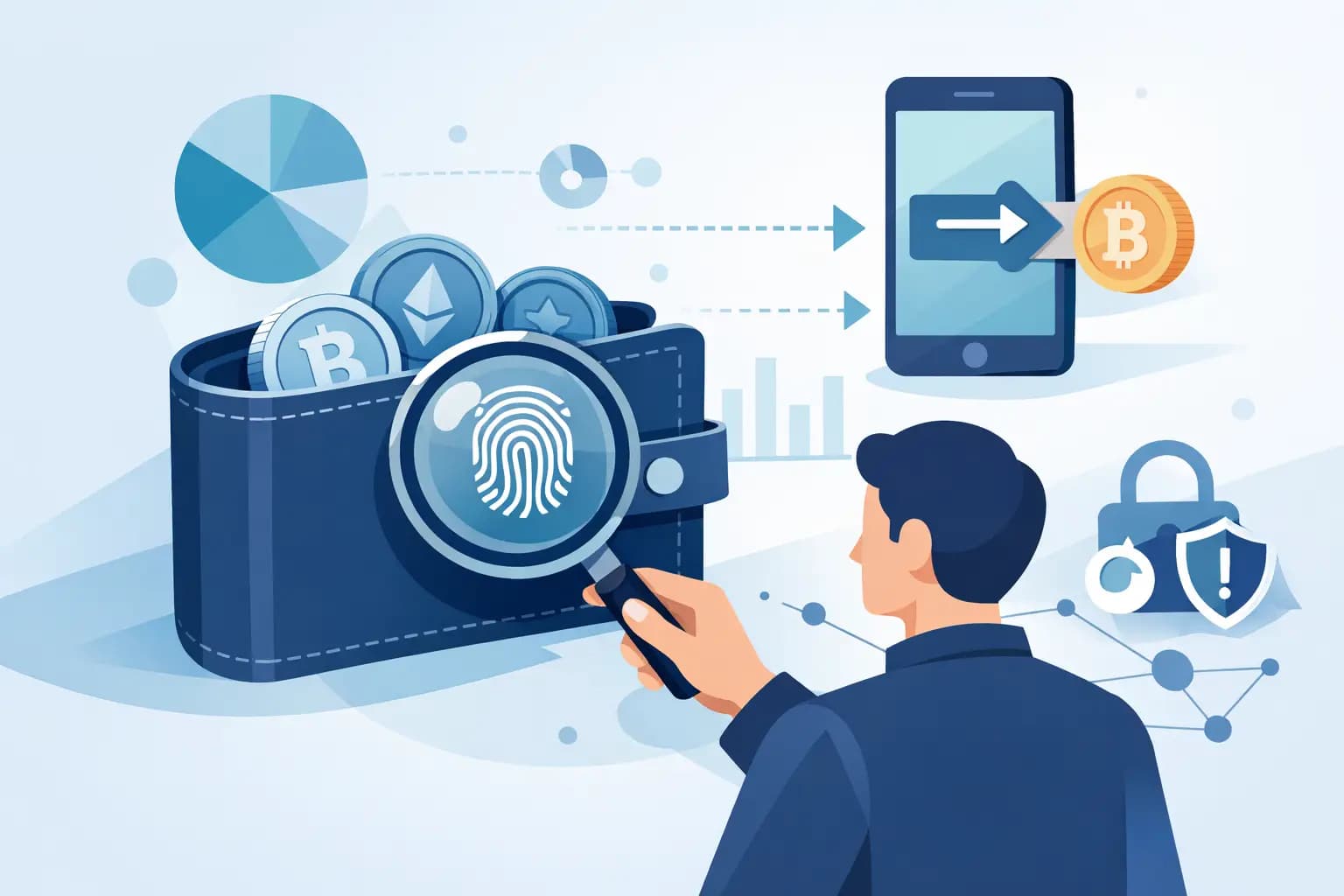
A wallet can receive funds in seconds, but that does not mean every destination carries the same operational risk. If you are asking, is wallet screening necessary, the practical answer is: not for every transfer, but often enough that it should be part of your workflow.
For active crypto users, screening is less about treating every address as suspicious and more about reducing avoidable surprises. A quick risk review can help you spot exposure before funds leave your wallet, especially when you are sending to a new counterparty, settling an OTC deal, paying a service provider, or moving assets through a high-value route.
When Is Wallet Screening Necessary?
Wallet screening is most useful when the cost of a bad transfer is higher than the few minutes required to check an address. Blockchain transfers are generally final. If a recipient turns out to be connected to stolen funds, fraud activity, sanctioned entities, or other high-risk flows, recovering assets or explaining the transaction later can become difficult.
Screening is a sensible default before sending a meaningful amount to an unfamiliar wallet. It also makes sense when a payment request arrives through a new channel, when a counterparty changes their receiving address unexpectedly, or when a transaction is part of a business process with records, vendors, or clients involved.
The same applies to incoming funds. If you operate a treasury wallet, accept freelance payments, settle trades, or manage a small crypto business, checking an incoming sender can help you decide whether to accept, hold, return, or investigate a transfer before it touches a wallet you use for routine operations.
That does not mean every internal transfer needs a full review. Moving assets between wallets you control, using an address you have previously verified, or executing a small test transaction may not require the same level of scrutiny. The right question is not whether screening is mandatory in every case. It is whether this transfer creates a risk you would rather identify before execution.
What Wallet Screening Actually Checks
A wallet screening tool analyzes public blockchain activity and compares an address against risk indicators. Depending on the chain and data coverage, those indicators can include direct or indirect exposure to illicit services, scam activity, stolen funds, ransomware, sanctioned addresses, fraud reports, and high-risk transaction patterns.
The output is typically a risk score, category labels, exposure data, and transaction context. This gives you more than a yes-or-no answer. You can see whether an address has a direct connection to a known risky source, a distant historical interaction, or no meaningful indicators in the data available.
That distinction matters. An address that received funds several hops away from a flagged wallet is not the same as an address directly controlled by a sanctioned entity or a known scam operation. Good operational decisions depend on the severity, proximity, timing, and amount of exposure.
Screening is therefore a decision-support layer, not a verdict on a person. On-chain attribution can evolve. Labels can be incomplete. Risk models can also differ between providers. Treat the result as useful intelligence that helps you decide what to do next, not as a substitute for judgment.
The Transfers That Deserve a Check First
For most self-directed users, wallet screening becomes most valuable at points where trust is limited or funds are material. Four situations stand out:
- A new counterparty requests payment to an address you have never used or verified.
- An OTC, P2P, freelance, or business settlement involves a meaningful amount of crypto.
- A recipient changes their wallet address at the last minute or sends instructions through an unexpected account.
- Funds are arriving from an unknown sender and may be mixed with assets used for trading, payroll, treasury, or customer payments.
These are not proof of wrongdoing. They are moments when a quick check can reveal context you would otherwise miss.
Consider a common scenario: you are paying a contractor in USDT. The work is complete, the invoice is valid, and the wallet address is supplied in a chat message. Before sending, you screen the address and find direct exposure to a reported scam cluster. That result does not automatically prove the contractor is involved. It does give you a reason to pause, confirm the address through a second channel, and ask for clarification before sending irreversible funds.
The same principle applies to trading. A favorable rate is not always a favorable transaction if the other side creates downstream issues for your wallet history or future off-ramp options. Fast execution matters, but informed execution is usually faster than resolving a problem after settlement.
When Screening May Add More Friction Than Value
There are cases where screening every address is excessive. If you are moving funds between your own verified wallets, making repeated payments to an established vendor, or testing a new route with a very small amount, the risk profile is different.
A rigid rule that requires a full review for every transaction can slow down ordinary wallet operations. It can also create alert fatigue, where users stop paying attention because every low-risk result looks the same. Screening works best when it is proportionate to the transfer.
Set a practical threshold based on your activity. You might screen all first-time recipients, all transfers above a specific value, all business-related payments, and any address that arrives through an unusual communication channel. For lower-risk routine transfers, keep basic address verification and transaction tracking in place.
The goal is not to build a compliance department around personal wallet use. The goal is to create a repeatable checkpoint that catches avoidable risks without turning every transaction into a manual investigation.
A Risk Score Is the Start of the Review
A high-risk result should trigger questions, not panic. Look at why the address was flagged, whether the exposure is direct or indirect, how recent it is, and whether the transaction pattern matches the situation you are evaluating.
If the risk is direct and severe, the safest choice is usually not to proceed until you have verified the counterparty and understood the source of concern. If the exposure is indirect, old, or limited, you may decide the risk is acceptable after reviewing the details. The appropriate response depends on your role, the amount involved, and how much downstream exposure your wallet can tolerate.
A low-risk result also has limits. It means the address did not trigger significant indicators in the available data at the time of the check. It does not guarantee that a counterparty is legitimate, that an address belongs to the person claiming it, or that a transaction cannot be part of a scam. Continue to verify payment instructions, use test transfers when appropriate, and confirm destination networks before sending.
Build Screening Into the Transfer Flow
The most effective screening process is simple enough to use under time pressure. Before a first-time or material transfer, confirm the address and network, run a wallet risk check, review the source of any flags, and save the result with the transaction record if the transfer is business-related.
Then make a clear decision: proceed, request verification, reduce the amount and test first, or stop the transfer. Avoid vague outcomes. A screening result only helps if it changes the next action when the risk level warrants it.
For users managing swaps, settlement routes, and multiple chains, keeping this process in one operational workspace reduces context switching. 2AML supports wallet AML checks alongside other crypto utility tasks, allowing users to review address risk without treating screening as a separate, slow-moving process.
Privacy, Control, and Sensible Due Diligence
Wallet screening does not require giving up self-custody or turning every transfer into a disclosure exercise. It uses public blockchain data to provide context around an address. You still control your private keys, decide whether to transact, and determine what level of review fits your activity.
That balance matters for crypto-native users. Privacy and discretion are legitimate priorities, but they work best alongside operational awareness. Sending funds without checking a new destination may feel fast in the moment. Knowing what is connected to that destination gives you more control over the transfer you are about to make.
Use screening where the stakes justify it, keep your thresholds practical, and treat every result as context for a better decision. The best time to understand a wallet's risk profile is before your funds become part of its history.